Protect the Home. Earn the Trust. Book your free inspection today.

By Don Hane, Navy Combat Veteran
It’s late, it’s cold, and you just heard the sound nobody wants to hear: drip, drip, drip. First, take a breath. A winter roof leak is stressful, but most of the damage comes from what happens in the next few hours, and almost all of that is in your control. If water is coming in right now, call our emergency roofing crew at 615-258-9977. We’re open 24 hours, every day. If it can wait for daylight, our roof leak repair page explains how we find the source and fix it for good.
Below is what I tell homeowners who call us on a cold night: what to do tonight, how to tell a real leak from attic condensation, and what a proper fix looks like once the weather lets us work.
Protect people first, then the house. Keep water away from electricity, catch the drip, and take photos. Stay off the roof.
Here’s what I tell a homeowner who calls at 10 PM, before we get there:
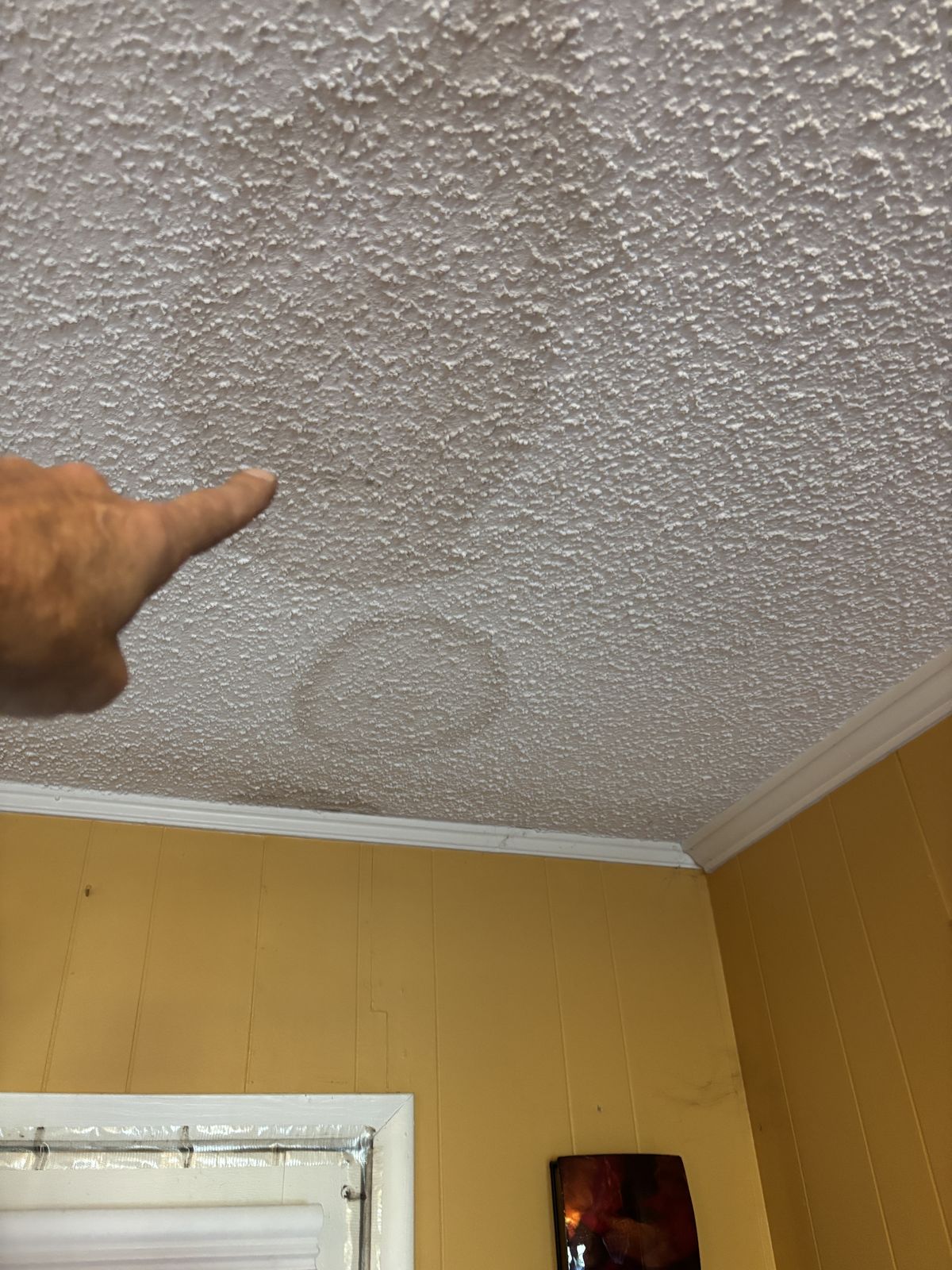
I’ll say this one plainly because I mean it: please don’t go up there. A winter roof at night is wet, dark, and can have a thin coat of ice you can’t see. Ladders slip on frozen ground. The CDC’s workplace safety institute says more than 500,000 people a year are treated for ladder-related injuries in the U.S., and about 300 die (NIOSH). No ceiling is worth that.
Tarping a roof safely takes the right ladder, roof anchors, and someone who does it every week. That’s why emergency tarping is one of the things our own crews do. We don’t send a subcontractor out on your roof.
In February 2026, we got a call from a neighbor of an elderly couple. The couple had received a codes violation because the ceiling and roof of their porch were falling down from rotting wood. Once we got out there, inspected, and figured out what we needed to do to take care of the porch, we noticed a couple of holes in the roof from tree limbs. In addition to the porch repairs, we completed the roof repairs.
It’s important to be thorough on every job. A porch repair that leaves holes in the roof is only half a fix, and those holes will keep leaking through the rest of the winter.
This is the big question in winter, and it’s a fair one. Sometimes the water in your attic didn’t come through the roof at all. It came from inside your house.
Here’s how it happens. Warm, damp air from showers, cooking, and even breathing drifts up into the attic through gaps around the attic hatch, can lights, bath fans, and pipes. When that air hits the cold underside of the roof deck on a freezing night, the moisture turns into frost. Then a sunny day warms the roof, the frost melts, and it rains inside your attic. People call this attic rain. The U.S. Department of Energy’s Building America program describes exactly this pattern in cold weather (Building America Solution Center).
Here’s how I tell them apart, and what I look for in the attic.
A real roof leak usually happens during, or right after, rain or a localized snow melt. The water runs down a single, concentrated path from a specific opening, like a vent, a chimney, or a damaged shingle.
Attic condensation or melting frost, which people call attic rain, happens on dry, cold mornings, or when a cold snap suddenly warms up. You get widespread moisture or frost across a large section of the roof, not just in one spot. In the attic, look for condensation or frost (ice crystals) on the metal roof-deck nail tips, or small drips from those nails, across a wide area. Look for dark or dampened wood or sheathing spread broadly across a slope, especially on the north-facing side. Look for wet or clumped patches of insulation spread widely across the attic floor.
If the moisture shows up near an outside wall during a winter snow melt, check outside from the ground for a thick ridge of ice or icicles along the eaves. That can be a sign of an ice dam.
| What you notice | More likely condensation | More likely a roof leak |
|---|---|---|
| When it drips | On a cold, dry day, often a sunny thaw after a hard freeze | During or right after rain, or while snow or ice melts |
| Where it shows up | Spread out over a big area, frost or drops on lots of nail tips | One spot or one trail you can follow uphill |
| What’s above the wet spot | Nothing in particular | A chimney, vent pipe, skylight, wall, or valley |
| Summer rain | Stays dry | Usually leaks then too |
These are patterns, not hard rules, and a house can have both problems at once. That’s why we look at the attic and the roof on every leak call.
Most of the time it comes down to three things: a bath fan that dumps moist air into the attic, not enough air moving through the attic, and too much humidity inside the house.
The model building code says bathroom and kitchen exhaust has to go all the way outside, not into the attic (IRC M1501.1 and M1505.2). We still find fans that were never hooked up or whose duct fell off years ago. A ridge vent at the top also needs open soffit vents at the bottom to pull fresh air in. If insulation is stuffed against the soffits, the attic can’t dry out. The EPA suggests keeping indoor humidity below 60 percent, ideally between 30 and 50 percent (EPA mold and moisture guide).
New shingles will not fix condensation, because the water never came through the shingles. The real fix is sealing the air leaks into the attic, making sure every fan vents outside, and getting the intake and exhaust vents working together. Some of that is roof work we do. Some of it, like sealing the attic floor, may belong to an insulation pro, and we’ll tell you which is which.
If your ceiling stays dry all through a cold snap and then drips the day it warms up, there are three usual suspects: melting attic frost, an ice dam, or a weak spot that only lets in slow-moving melt water.
An ice dam forms when heat escaping from the house melts snow or ice higher on the roof. The water runs down to the cold edge and refreezes into a ridge of ice. More melt backs up behind it and works under the shingles. Clogged gutters make it worse. We saw this across the mid-state after the January 24 and 25, 2026 ice storm. A cracked pipe boot or loose flashing can also shed a fast summer storm but let in water that creeps across it slowly during a thaw.
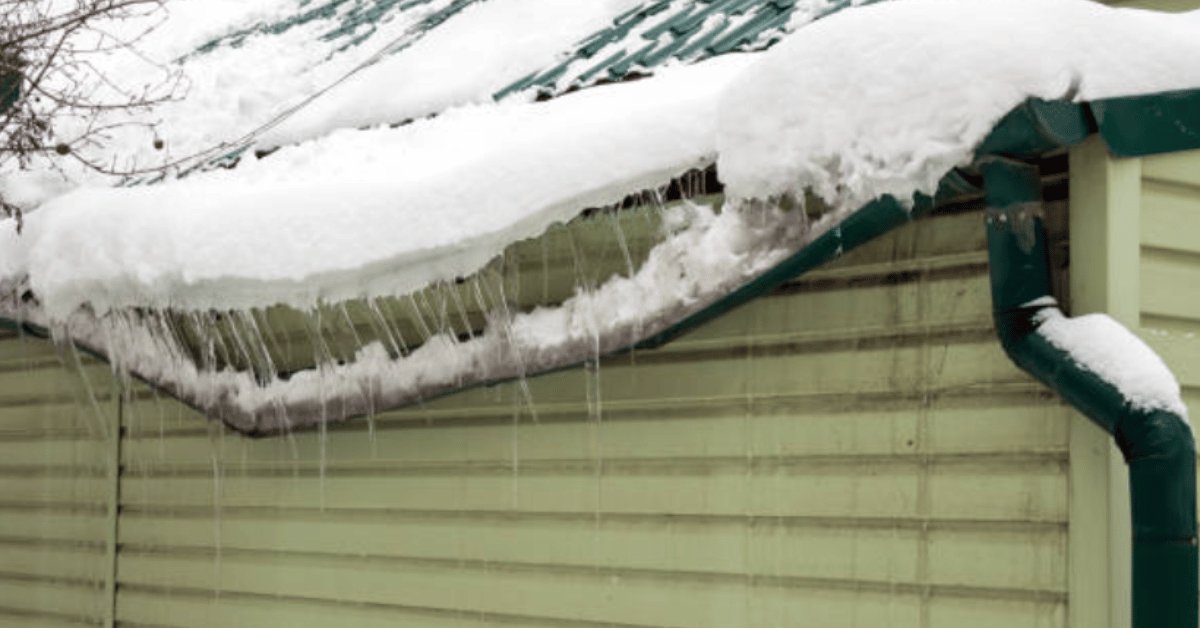
Murfreesboro averages about 20 freezing nights in December and 22 in January, based on NOAA’s 30-year normals. That’s a lot of freeze and thaw for one roof to handle, and it’s why a small winter leak tends to show up again and again until it’s fixed at the source.
Most of the leaks we trace in winter don’t start in the middle of the shingles. They start where the roof meets something else:
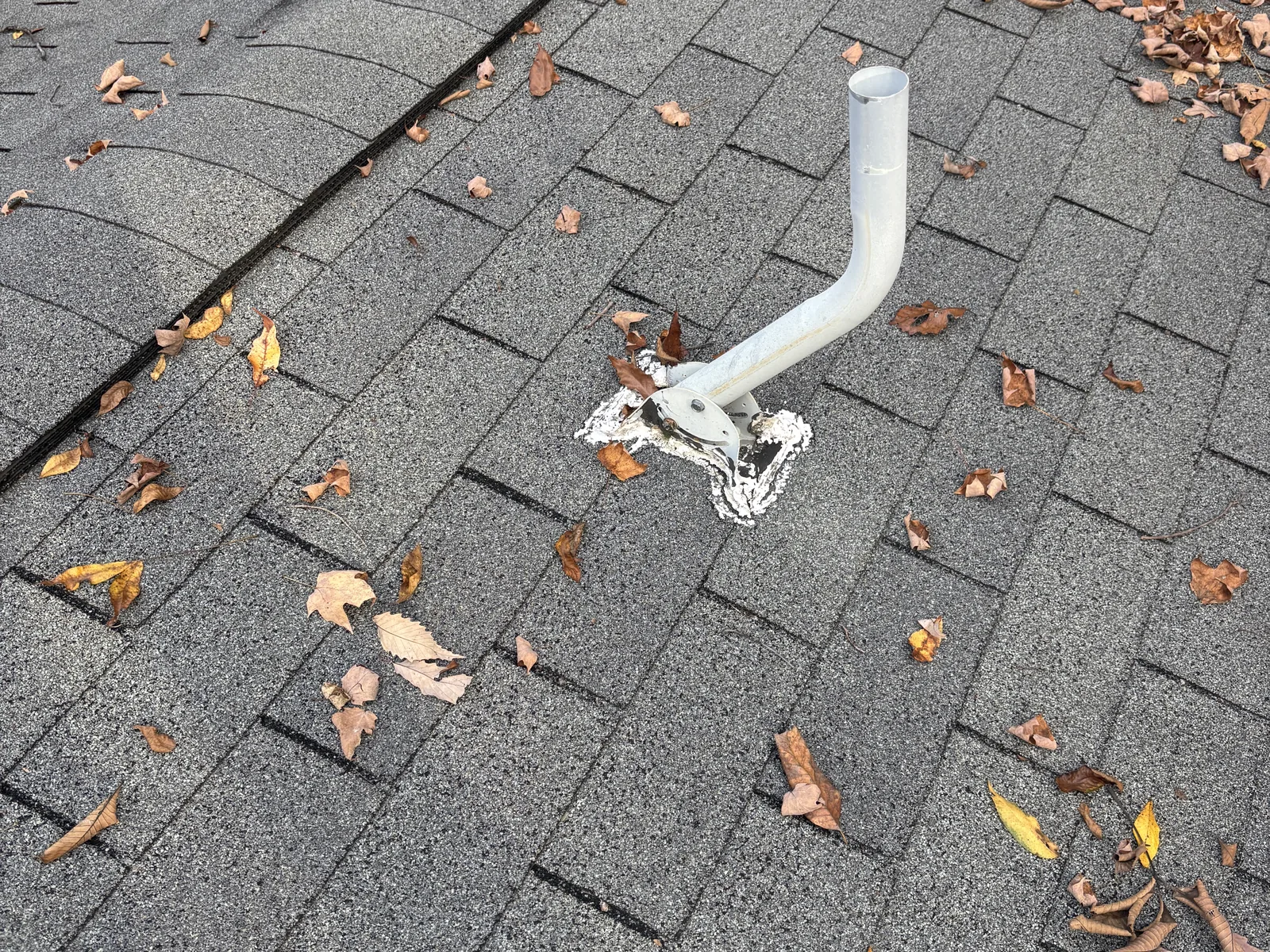
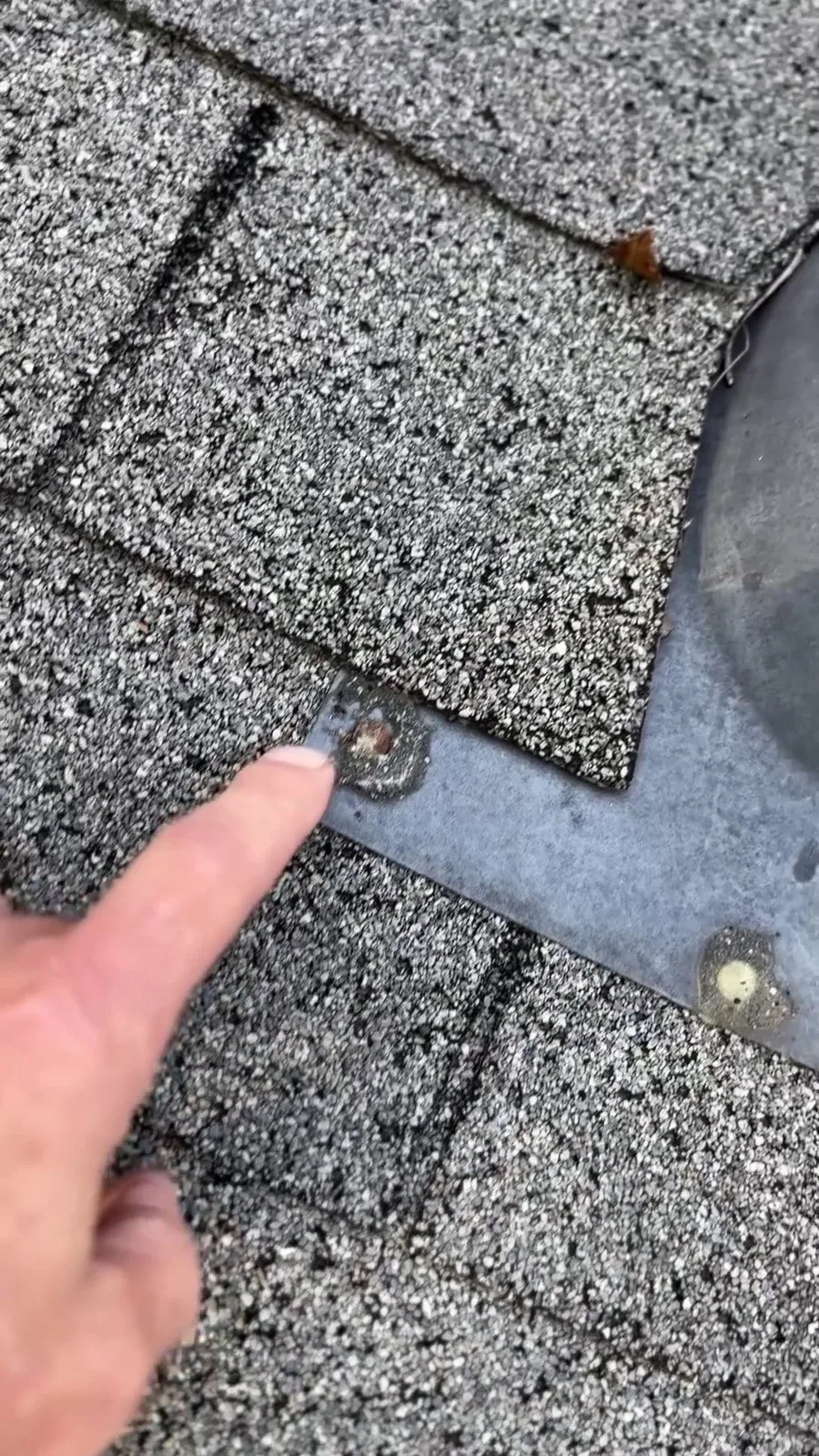
If you’d like the full tour, I walk through each of these in Where Roofs Leak Most on Middle Tennessee Homes.
We were once called for a small leak that would only occur during heavy storms. After a thorough inspection with two people, we finally found the culprit. After carefully digging an object out of the shingles, we determined that it was a bullet, lodged in the roof, that ended up causing the leak.
That’s why we don’t stop at the first wet spot we see. The source is sometimes in a place you would never think to look.
A few things make a winter leak worse. Please skip these:
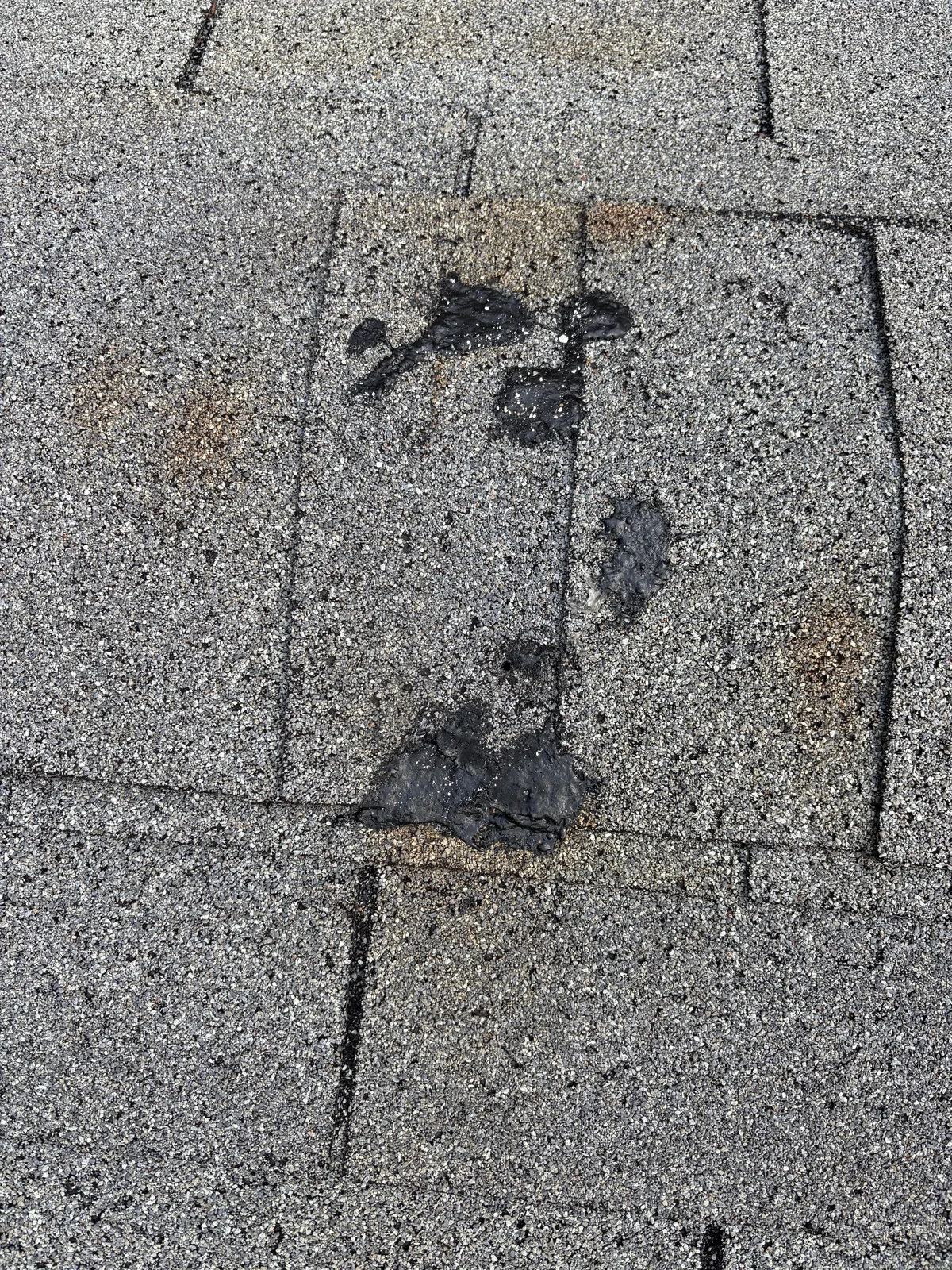
The right fix depends on what failed. We gently warm new shingles before we install them in cold weather, hand-seal them with that cold-weather polymer sealant, and replace damaged underlayment (the waterproof layer under the shingles). For ice dams, we safely melt channels through the ice with calcium chloride or low-pressure steam, then improve the attic insulation and ventilation so the dam is less likely to come back. If a pipe boot or flashing joint failed, we clear away the ice and snow, dry the area (a heat gun works for this), and install a neoprene or metal pipe boot, or properly counterflash the joint (that’s the metal layering that sheds water at a chimney or wall).
During a severe storm-damage situation, a heavy-duty, UV-resistant tarp wrapped around wooden furring strips that are screwed directly to the roof is a solid temporary repair to get you to the first thaw. That’s not the same as tossing a cheap blue tarp over the ridge and parking bricks on it.
A tarp is a bandage. It’s the right call on a cold, wet night, but it is not a repair, and it’s not meant to stay up for months. A real repair fixes the part that failed: a new pipe boot, rebuilt flashing at a chimney, replaced shingles and underlayment in a valley, or a bath fan routed outside. After the repair, the next rain or thaw should come and go with nothing in your bucket. If the roof is near the end of its life, we’ll show you photos and help you decide whether a repair or a replacement makes more sense. For bigger winter work, see Can You Replace a Roof in Winter?.
Whether a winter leak is covered depends on your policy and on what caused it. Wind, falling limbs, and sudden storm damage are treated differently from wear and tear. You file any claim yourself. We don’t handle or negotiate claims. We inspect the roof and give you a dated photo report of what we found. Before you call anyone, take wide photos and close-ups of the stain and the drip, note the date and the weather, and photograph anything you had to move or throw away because it got wet. Our guide on how to file a roof insurance claim in Tennessee covers the paperwork basics.
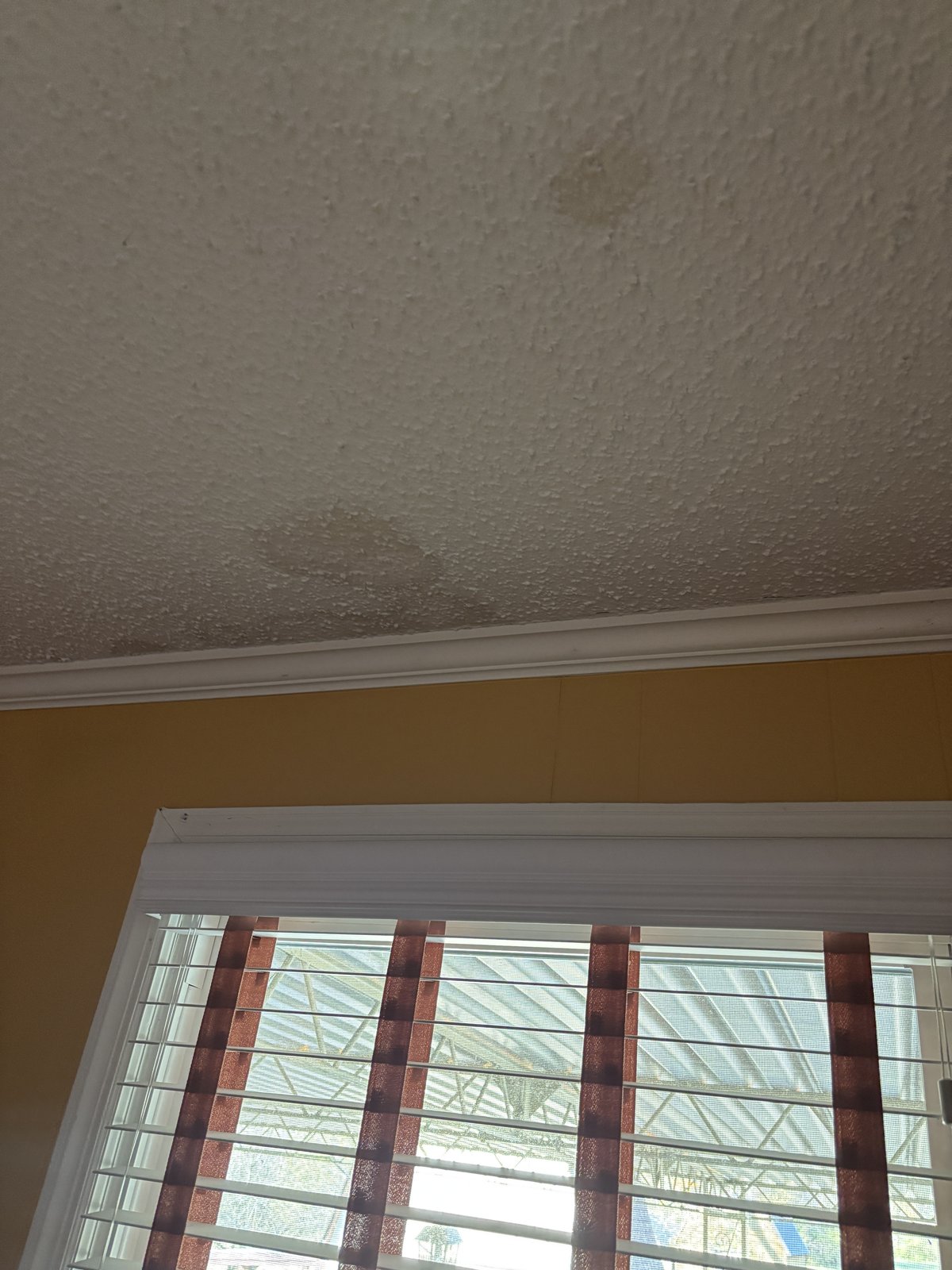
Call us right away if water is coming through a light fixture, a ceiling is sagging, or the leak is getting worse. We’re open 24 hours, every day, at 615-258-9977, and we serve Rutherford, Davidson, Williamson, Maury, Coffee, Bedford, Wilson, Sumner, and Warren counties.
If the drip has stopped and you want to know why it started, book a free roof inspection at rooftroopstn.com. We’ll check the attic and the roof, take photos, and tell you plainly whether you’re looking at a leak, condensation, or both. If you’d rather have someone look over your roof every year before winter hits, the Home Guard Plan includes a yearly inspection, gutter cleaning, and pipe boot sealing. And if you haven’t done your fall check yet, here’s our winter roof checklist for Middle Tennessee.
Roof Troops is a locally owned and Veteran-owned roofing company, founded in 2010. I’m Don Hane, a Navy Combat Veteran. We’re A+ rated with the BBB, and every job is done by our own crews. Protect the Home. Earn the Trust.
Most winter-only leaks come from melting attic frost, ice dams, or a small weak spot like a cracked pipe boot that lets in slow-moving melt water. Watching when it drips (rain vs. a sunny thaw) and where it shows up helps narrow it down, and an inspection of the attic and roof confirms it.
A real leak usually happens during or right after rain or snow melt and follows one concentrated path from a vent, a chimney, or a damaged shingle. Attic rain (condensation or melting frost) shows up on dry, cold mornings or when a cold snap warms up, with moisture or frost spread across a wide area. In the attic, frost or drips on lots of nail tips, damp sheathing across a slope (especially the north side), and widely clumped insulation point to condensation. A house can have both, so we check the attic and the roof.
Yes. We can find the source, put on a proper tarp, and do many repairs in winter. Some steps work best above certain temperatures, so we plan around the weather and the manufacturer’s instructions. We gently warm new shingles, hand-seal with a cold-weather-rated polymer sealant, and keep the house dry until the full fix is done.
We don’t recommend it, especially at night or when the roof is wet or icy. Ladder falls send hundreds of thousands of people to the hospital every year. Catch the water inside, take photos, and call a roofer. Our crews handle emergency tarping. A cheap blue tarp weighed down with bricks is only for an immediate emergency, not a winter-long fix.
If water is near a light, a fan, or an outlet, turn off the power to that room at the main breaker immediately. Catch the water in a bucket (a string in the bucket keeps it from splashing), move your belongings, and put towels around the bucket. If the ceiling is bulging, keep people out from under it and poke a small hole in the center of the bulge so the water can drain in a controlled stream. Take photos, and call a roofer. Stay off the roof.
Yes. Roof inspections are free. We check the roof and the attic and give you photos of what we find. Call 615-258-9977 or book at rooftroopstn.com.